


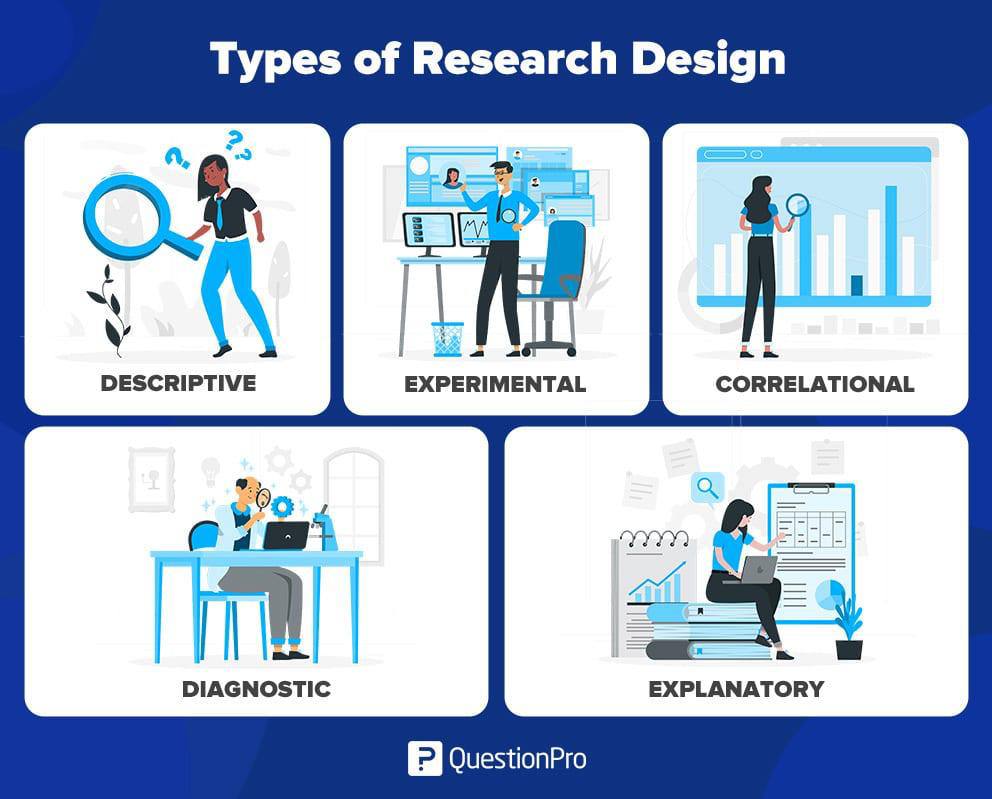
Research Designs: Psychology Cheatsheet. 🎁 #additional
🤩 Experimental designs — When you want to investigate cause & effect.
🤩 True Experimental: random assignment + variable manipulation = causation; testing whether X causes Y.
🤩 Quasi-Experimental: variable manipulation, but no random assignment.
– Only the true experimental design establishes causation.
🤩 Descriptive designs — When you want to describe behaviour.
🎀 Case Study: in-depth study of one person or unique case.
🎀 Naturalistic Observation: observation of real-life situations and especially social interactions.
🎀 Survey: collecting volunteer self-reports and questionnaires to make conclusions.
– No variables are manipulated.
🤩 Correlational designs — When you want to find relationships:
❤️ Measures naturally occuring variables;
❤️ Shows strength and directions of relationships;
❤️ Helps make predictions;
❤️ Cannot establish cause & effect.
🤩 Developmental designs — When studying change over time.
🤩 Longitudinal study:
– Same participants over time;
– Tracks developmental change;
– Time-consuming.
🤩 Cross-sectional study:
– Different age groups at one time;
– Compares cohorts quickly;
– Faster but may have cohort effects.
Instead of memorising every definition of research designs secludedly, remember concise explanations and derive the purpose of each sort. If your brain assimilated learning the essential parts regarding exploratory terms, you would distinguish inconsiderable discrepancies between the terms in ambiguous and complex questions during an entance psychological examination, so knowing when each design is used is just as significant as what it is.
🤩 Experimental designs — When you want to investigate cause & effect.
🤩 True Experimental: random assignment + variable manipulation = causation; testing whether X causes Y.
🤩 Quasi-Experimental: variable manipulation, but no random assignment.
– Only the true experimental design establishes causation.
🤩 Descriptive designs — When you want to describe behaviour.
🎀 Case Study: in-depth study of one person or unique case.
🎀 Naturalistic Observation: observation of real-life situations and especially social interactions.
🎀 Survey: collecting volunteer self-reports and questionnaires to make conclusions.
– No variables are manipulated.
🤩 Correlational designs — When you want to find relationships:
❤️ Measures naturally occuring variables;
❤️ Shows strength and directions of relationships;
❤️ Helps make predictions;
❤️ Cannot establish cause & effect.
🤩 Developmental designs — When studying change over time.
🤩 Longitudinal study:
– Same participants over time;
– Tracks developmental change;
– Time-consuming.
🤩 Cross-sectional study:
– Different age groups at one time;
– Compares cohorts quickly;
– Faster but may have cohort effects.