


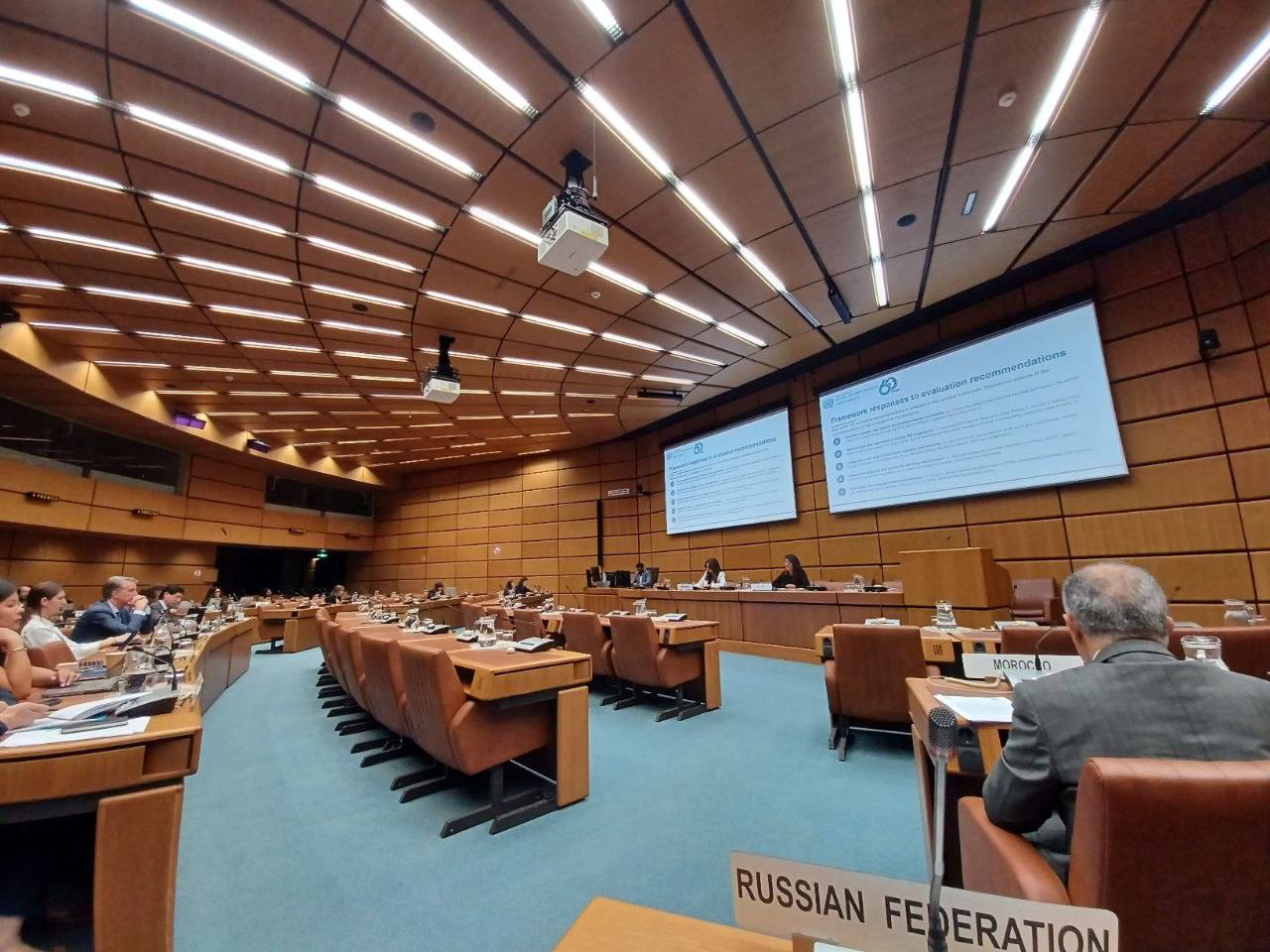
🗓️ On 5 October 2026, the Permanent Mission participated in the UNIDO Development Dialogue on the Organization’s Strategic Framework for Partnering with Middle-Income Countries
The event highlighted the significe of working with this country category, which comprises over one hundred States - more than half of UNIDO’s membership - and is home to 75% of the global population. Key areas of cooperation with them identified by the Organization’s Secretariat include mobilizing finance for industrial development, adapting industrial sectors to climate change, digitalization, fostering regional integration and building relevant skills
🇷🇺 The Russian delegation also emphasized the importance of efforts to boost the competitiveness and productivity of enterprises in these countries, help structural transformation and diversification of their economies, promote South-South and Triangular Cooperation, including through the engagement with such formats as BRICS. Particular attention was drawn to the need for a balanced approach to developing the fuel and energy sector and ensuring just energy transitions, as well as the necessity of duly taking into account specific national contexts
The event highlighted the significe of working with this country category, which comprises over one hundred States - more than half of UNIDO’s membership - and is home to 75% of the global population. Key areas of cooperation with them identified by the Organization’s Secretariat include mobilizing finance for industrial development, adapting industrial sectors to climate change, digitalization, fostering regional integration and building relevant skills
🇷🇺 The Russian delegation also emphasized the importance of efforts to boost the competitiveness and productivity of enterprises in these countries, help structural transformation and diversification of their economies, promote South-South and Triangular Cooperation, including through the engagement with such formats as BRICS. Particular attention was drawn to the need for a balanced approach to developing the fuel and energy sector and ensuring just energy transitions, as well as the necessity of duly taking into account specific national contexts