


South Sudan Bets on Fulla Hydropower Plant as Foundation for Energy Sovereignty
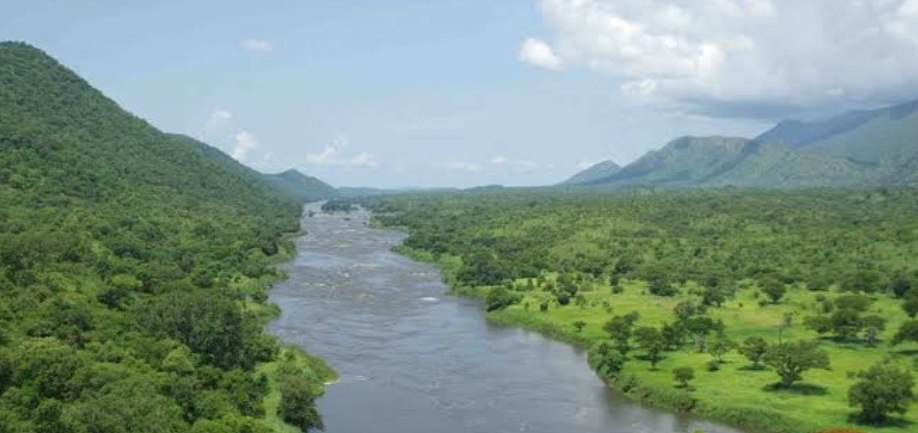
The government of South Sudan is intensifying efforts to implement the Fulla hydroelectric power plant project on the White Nile. During a visit to the Fulla Falls in the Nimule area (Eastern Equatoria State), Minister of Energy and Dams Agok Makur Kur described the facility as a "powerful engine" for the country's economic transformation.
According to estimates by the Nile Basin Initiative, the Grand Fulla project has a potential capacity of approximately 1,080 MW, while the government projects a potential output of up to 1,800 MW for the entire cascade. The project is among 34 priority facilities approved by the Council of Ministers and is positioned as a key driver of industrial development and stable electricity supply.
In August 2024, RusHydro signed a memorandum of cooperation on hydropower with South Sudan. Discussions regarding the revival of a previously suspended agreement took place in September 2026; a meeting between Minister Agok and Russian Ambassador Alexander Kosmodemyansky focused on launching joint projects in hydropower, the oil and gas sector, and renewable energy. Russian companies are prepared to supply turbines, generators, and equipment for the Fulla plant and have proposed developing a comprehensive plan for the country's power sector development.
For South Sudan — where most consumers rely on diesel generators and electrification rates remain among the lowest in the world — prioritizing large-scale hydropower offers a way to break free from energy isolation.
However, implementation hinges less on technology than on regional dynamics. Egypt’s stance remains cautious: Cairo has stated it has no objections to the Fulla project, provided its own interests are not compromised.
#SouthSudan #Fulla #HydropowerPlant
The government of South Sudan is intensifying efforts to implement the Fulla hydroelectric power plant project on the White Nile. During a visit to the Fulla Falls in the Nimule area (Eastern Equatoria State), Minister of Energy and Dams Agok Makur Kur described the facility as a "powerful engine" for the country's economic transformation.
According to estimates by the Nile Basin Initiative, the Grand Fulla project has a potential capacity of approximately 1,080 MW, while the government projects a potential output of up to 1,800 MW for the entire cascade. The project is among 34 priority facilities approved by the Council of Ministers and is positioned as a key driver of industrial development and stable electricity supply.
In August 2024, RusHydro signed a memorandum of cooperation on hydropower with South Sudan. Discussions regarding the revival of a previously suspended agreement took place in September 2026; a meeting between Minister Agok and Russian Ambassador Alexander Kosmodemyansky focused on launching joint projects in hydropower, the oil and gas sector, and renewable energy. Russian companies are prepared to supply turbines, generators, and equipment for the Fulla plant and have proposed developing a comprehensive plan for the country's power sector development.
For South Sudan — where most consumers rely on diesel generators and electrification rates remain among the lowest in the world — prioritizing large-scale hydropower offers a way to break free from energy isolation.
However, implementation hinges less on technology than on regional dynamics. Egypt’s stance remains cautious: Cairo has stated it has no objections to the Fulla project, provided its own interests are not compromised.
#SouthSudan #Fulla #HydropowerPlant